The Boston issue
Seeing Boston for the First Time Without a Car
A first-visit plan that runs on the T, the harbour ferries and walking, with the cost of every ticket you will need.

By Harriet FenwickReading Boston neighbourhood by neighbourhood

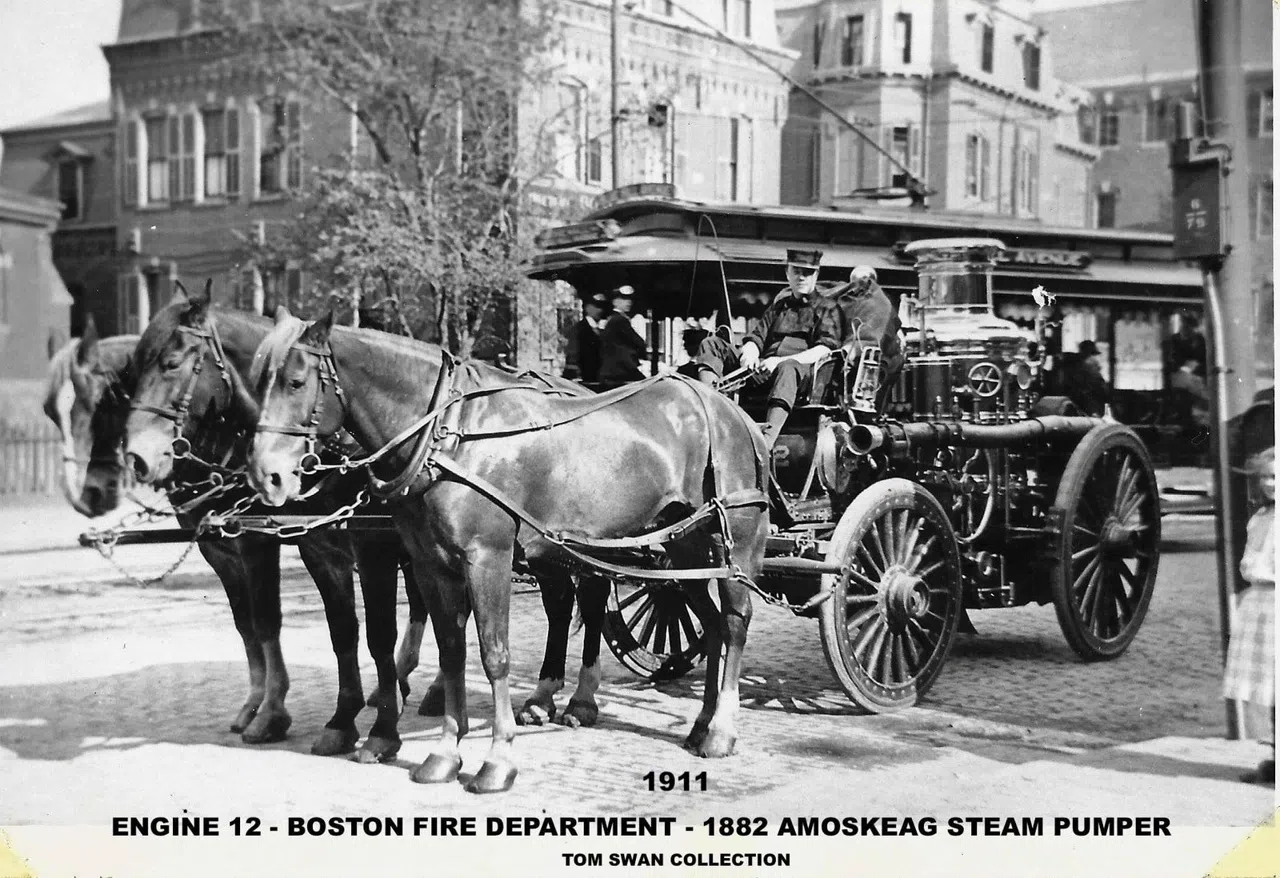
Boston was laid out by people on foot, on land that kept changing shape, and it has never really made room for the car. Streets bend around shorelines filled in a century and a half ago, a downtown garage can cost more for a day than lunch for four, and the subway that opened beneath Tremont Street in 1897 still runs more or less where you want to go. Skipping the rental on a first trip is no hardship. It is the version of Boston that works.
Working out the T on the first morning

Everything below hangs off the MBTA (the T) (citywide): four colour-coded subway lines plus the buses and harbour ferries that fill in the gaps. A single subway ride is $2.40 and a bus $1.70; a one-day pass is $11 and a seven-day pass $22.50. There is no booking and no group limit, so a family taps in one at a time, and children under 11 ride free. Since September 2026, one payment method buys unlimited transfers between bus, subway and ferry inside a two-hour window, which changes how a day fits together: a museum in the morning, a bus across town and a ferry back now sit inside a single fare.
Do the arithmetic once and then stop thinking about it. The day pass covers itself on the fifth ride, which is more riding than a first day usually involves; the seven-day pass pays off at about ten rides, which any week here will pass without effort. Buy the week, then let yourself board a train for two stops when the wind comes off the water.
Two things to know before you rely on it. The Green Line is four branches sharing one trunk downtown, so read the letter on the front of the tram, B, C, D or E, not just the colour. And the last trains run around half past midnight, earlier than in many cities of this size, so a late dinner in one part of town and a bed in another is worth checking rather than assuming.
Plan your Boston trip
Live prices from our booking partners.
Free cancellation on many rooms. We may earn a commission when you book.
The walk that teaches you the shape of the place
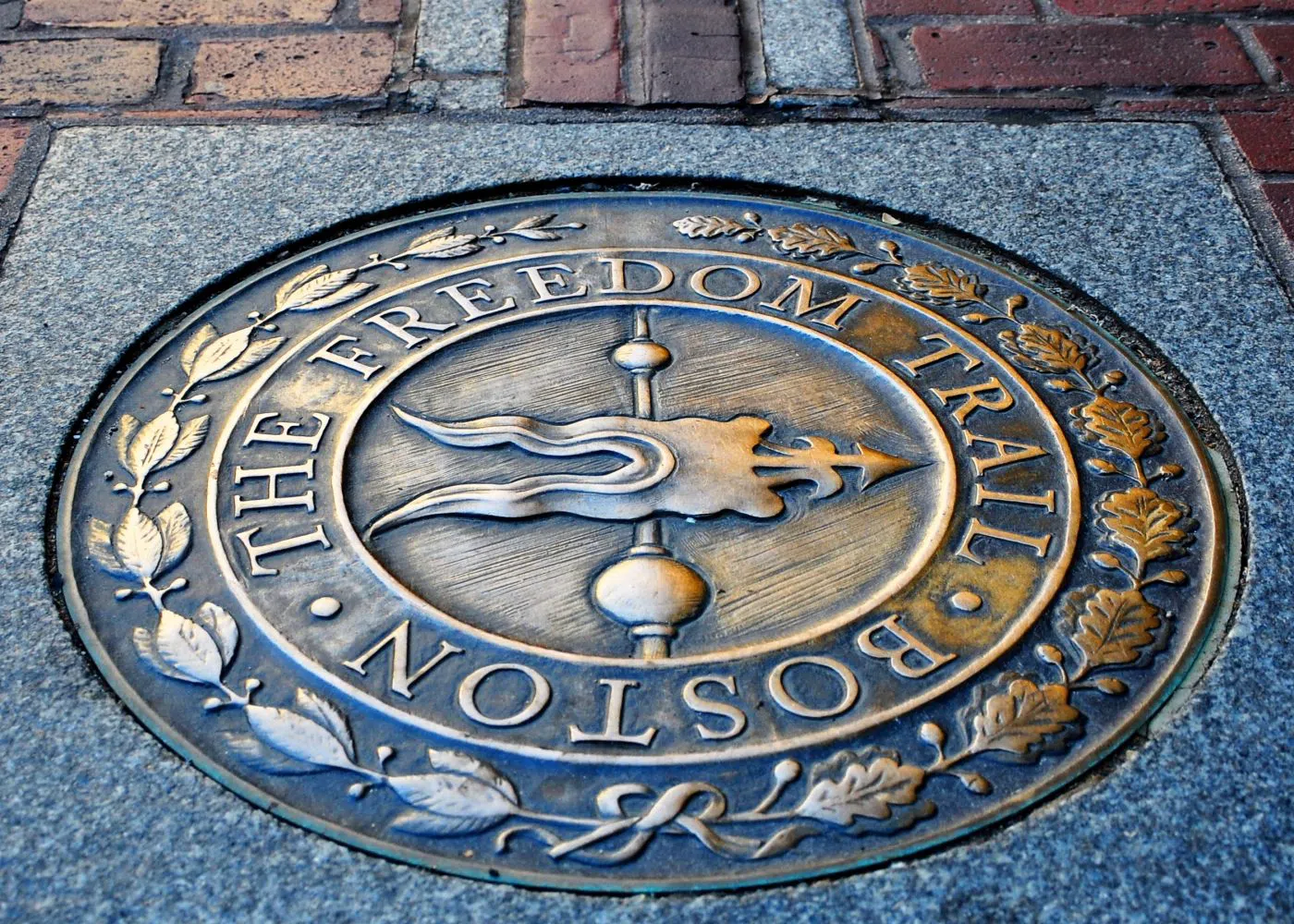
Start with the Freedom Trail Foundation (departures from Boston Common, downtown), whose guides follow a 2.5-mile red-brick line linking sixteen historic sites from the Common up through the North End. The public walk runs daily and costs roughly $20 to $35 for adults over about ninety minutes; private and custom versions are bookable year-round for families, groups and corporate parties. Be clear about what you are buying: the guided walk covers the downtown stretch and the storytelling, while the brick line itself is free and permanently there. Walking the whole thing yourself, with stops, is a half-day and needs no transport at all.
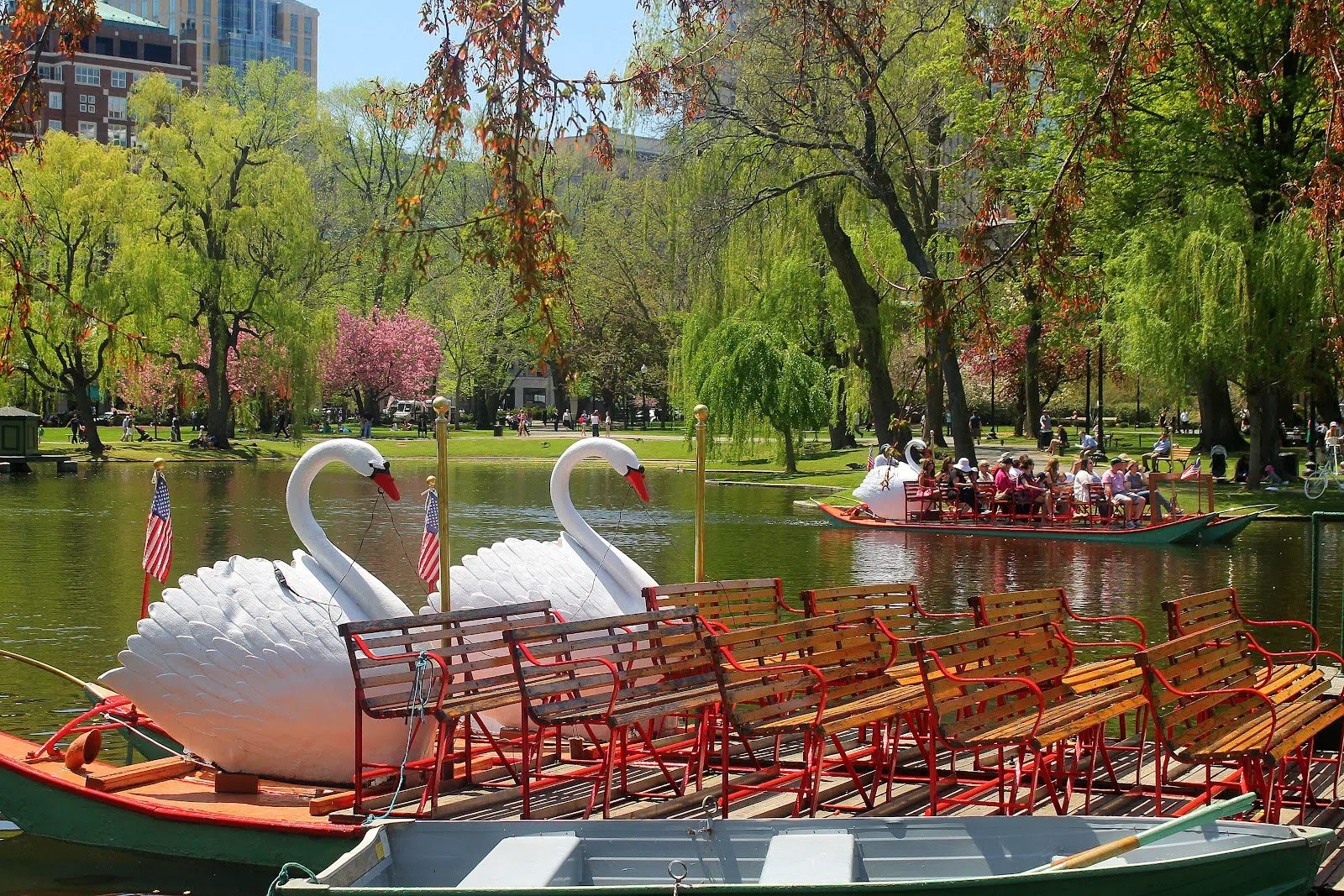
The Common runs straight into the Public Garden, where the Swan Boats, Boston Public Garden (Back Bay edge) have been pedalled around the same lagoon by the same family since 1877. Tickets are bought at the dock ($4.75 adult, $3.25 for children aged 2 to 15, $4.25 senior, under-twos free) and there is no reservation to make. The season is short and firm: mid-April to the first week of September, weather permitting. Summer weekend queues are real, and the ride is fifteen minutes of slow water, which is either exactly what you wanted after three miles of brick or entirely not.
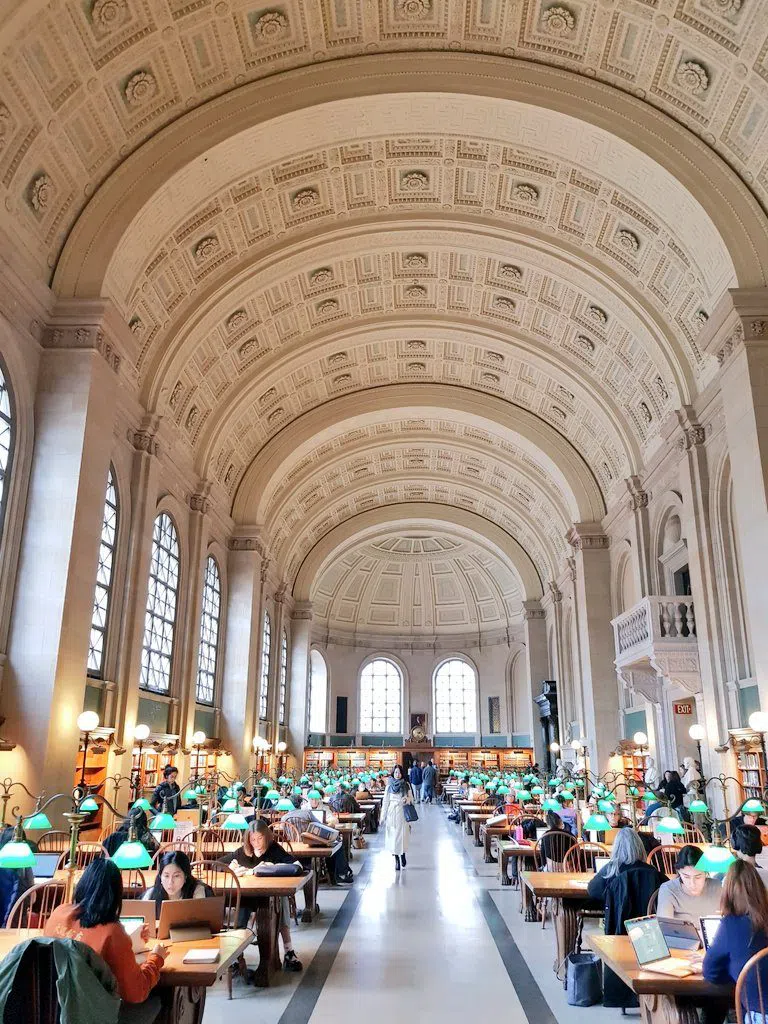
Ten minutes west, the Boston Public Library, Central Library (Copley Square, Back Bay) sits directly above the Green Line. McKim's 1895 building was built as a palace for the people and still behaves like one: you walk in free, with no ticket, past the marble stair lions and up to the barrel-vaulted reading room. Volunteer-led art and architecture tours are free; groups should arrange them ahead rather than turning up fifteen strong. If you have an hour spare in Back Bay and rain outside, this is where to spend it.
A short walk on, the Mapparium at the Mary Baker Eddy Library (Back Bay, ten minutes from Symphony on the Green Line) asks $6 for adults, with under-18s free, on timed tickets you must book in advance. You cross a glass bridge through the inside of a three-storey stained-glass globe, frozen on the political borders of 1935, and the sphere's acoustics carry a whisper clean across it. It takes ten minutes. Book it around something else rather than as the anchor of an afternoon.
Two museums and a ballpark on a single Green Line branch
The E branch does a great deal of work. It stops essentially at the door of the Museum of Fine Arts Boston (Fenway), one of the largest encyclopaedic collections in the Americas, at roughly $27 to $32 for adults, with dedicated desks for groups and school programmes. Admission drops to $5 after 5pm on third Thursdays, which is worth knowing and also worth expecting company for.

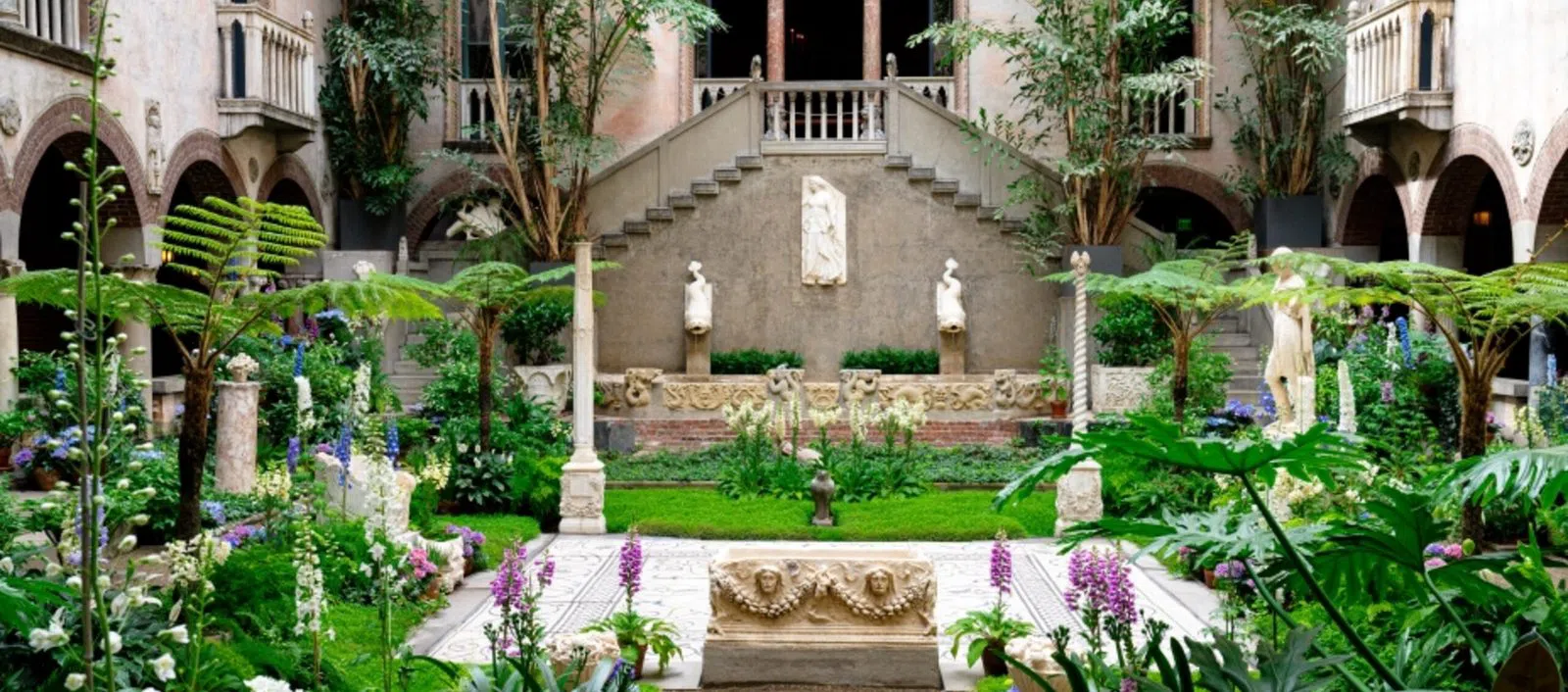
A few minutes' walk away, the Isabella Stewart Gardner Museum (Fenway) is a collector's house left exactly as she arranged it, built around a glass-roofed courtyard garden replanted with the seasons. It is around $22, open Wednesday to Monday and closed Tuesdays, free on Thursday evenings, and group tours must be requested in advance. Two encyclopaedic hours followed by a house museum in one day sounds efficient and mostly is not; the Gardner rewards a fresh eye more than a tired one.
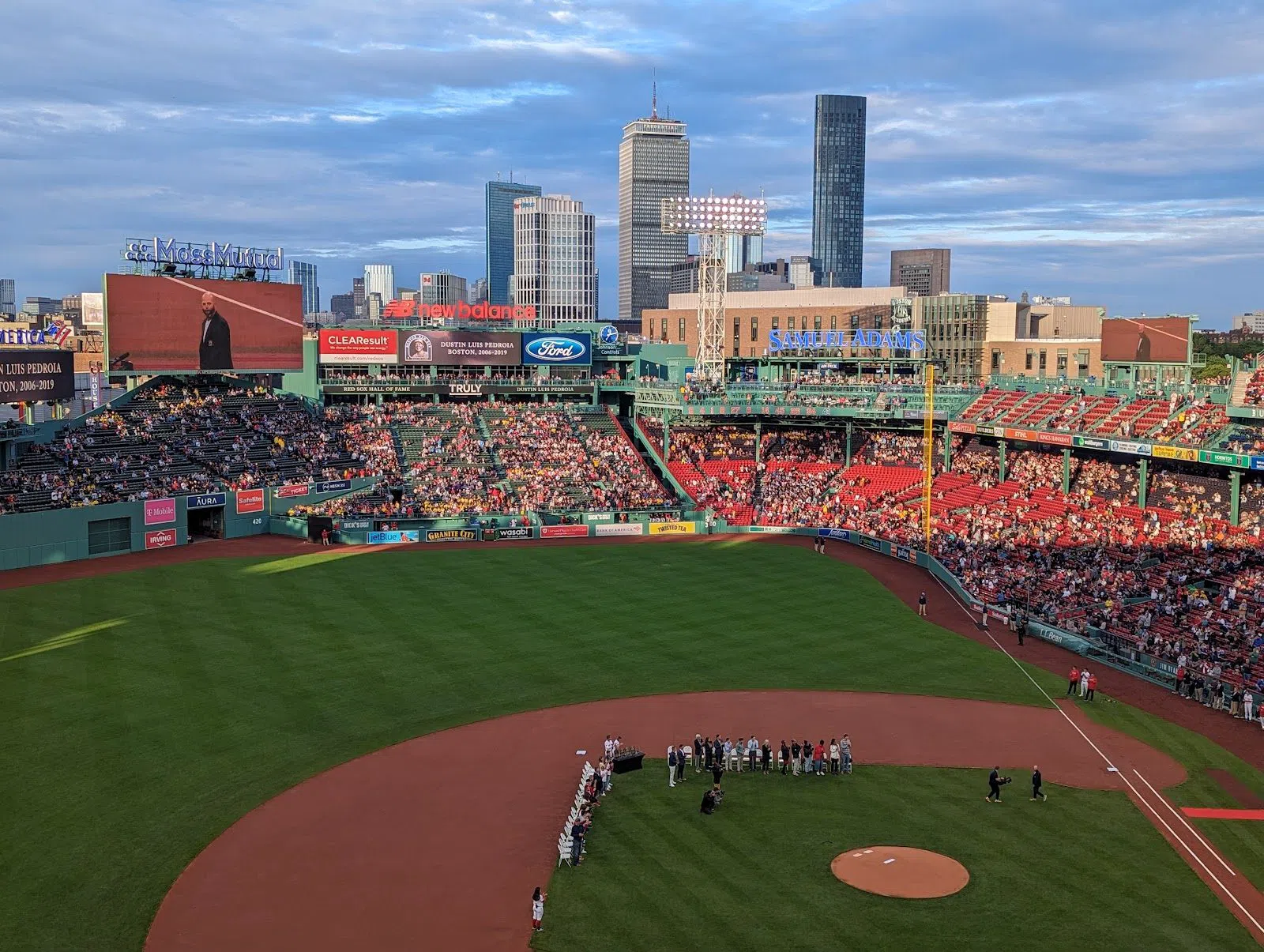
Back up the line, Fenway Park (Kenmore) runs tours hourly from 10am to 5pm daily, or up to three hours before a first pitch, at roughly $25 to $45 for adults and $17 for children. The hour puts you on top of the Green Monster and inside the oldest ballpark in the majors without a game ticket, and the Green Line leaves you outside the gate. Group and birthday packages exist for parties of any size, which makes this one of the easier things here to do with a mixed-age crowd.
The harbour end of town
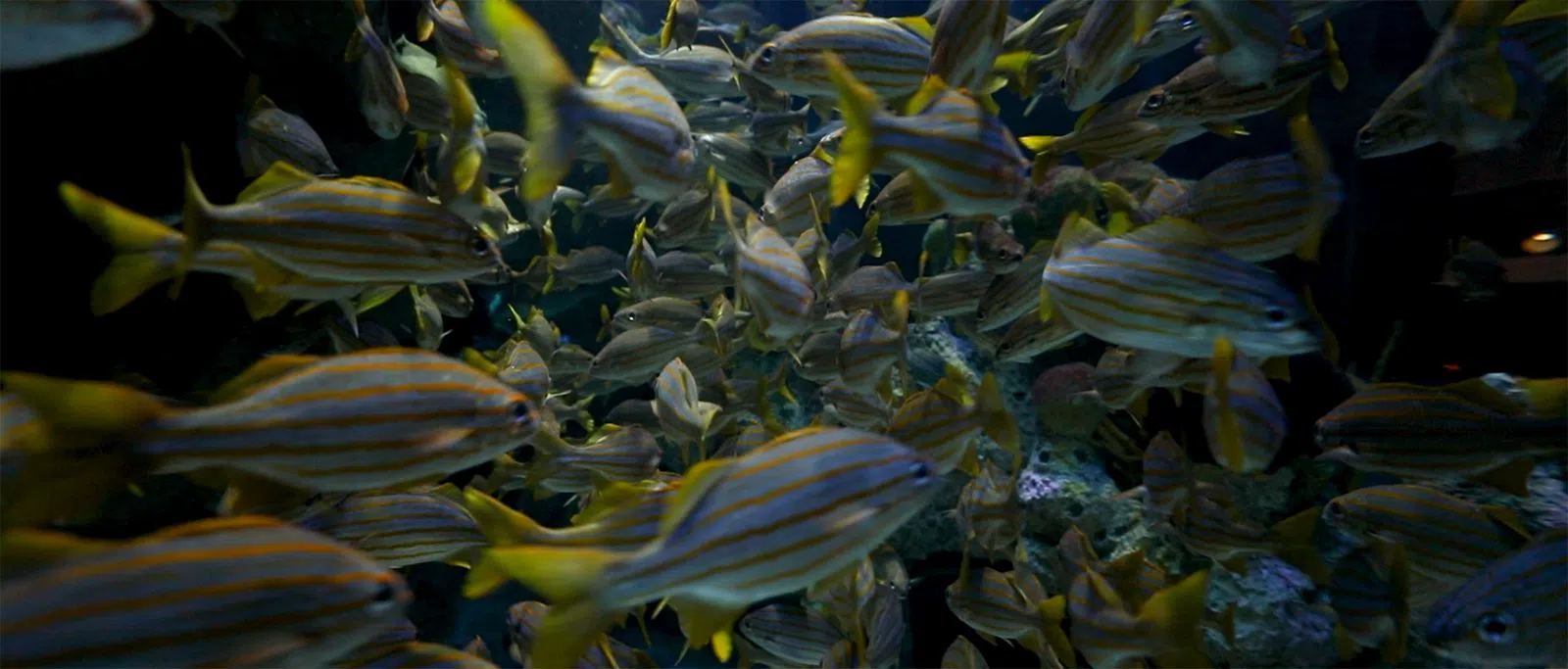
The New England Aquarium (Central Wharf, on the waterfront) sits on top of the Blue Line's Aquarium stop, which matters more than it sounds when the weather turns. It is built around a four-storey reef tank you spiral down alongside, opens daily 9am to 6pm on timed-entry tickets, and costs around $35 for adults and $26 for children. Group rates are available. With children and a forecast, this is the strongest indoor option in the city.
A few minutes north on the same wharves, Boston Harbor City Cruises (Long Wharf North and ten other piers) runs the ferries to the Harbor Islands, Georges and Spectacle, for roughly $25 to $40 return, plus whale watches at around $70 operated jointly with the aquarium. Island service runs roughly mid-May to early September, so check the calendar before you build a day around a boat. Parties of twenty or more get group rates; couples should simply book online the night before and turn up.
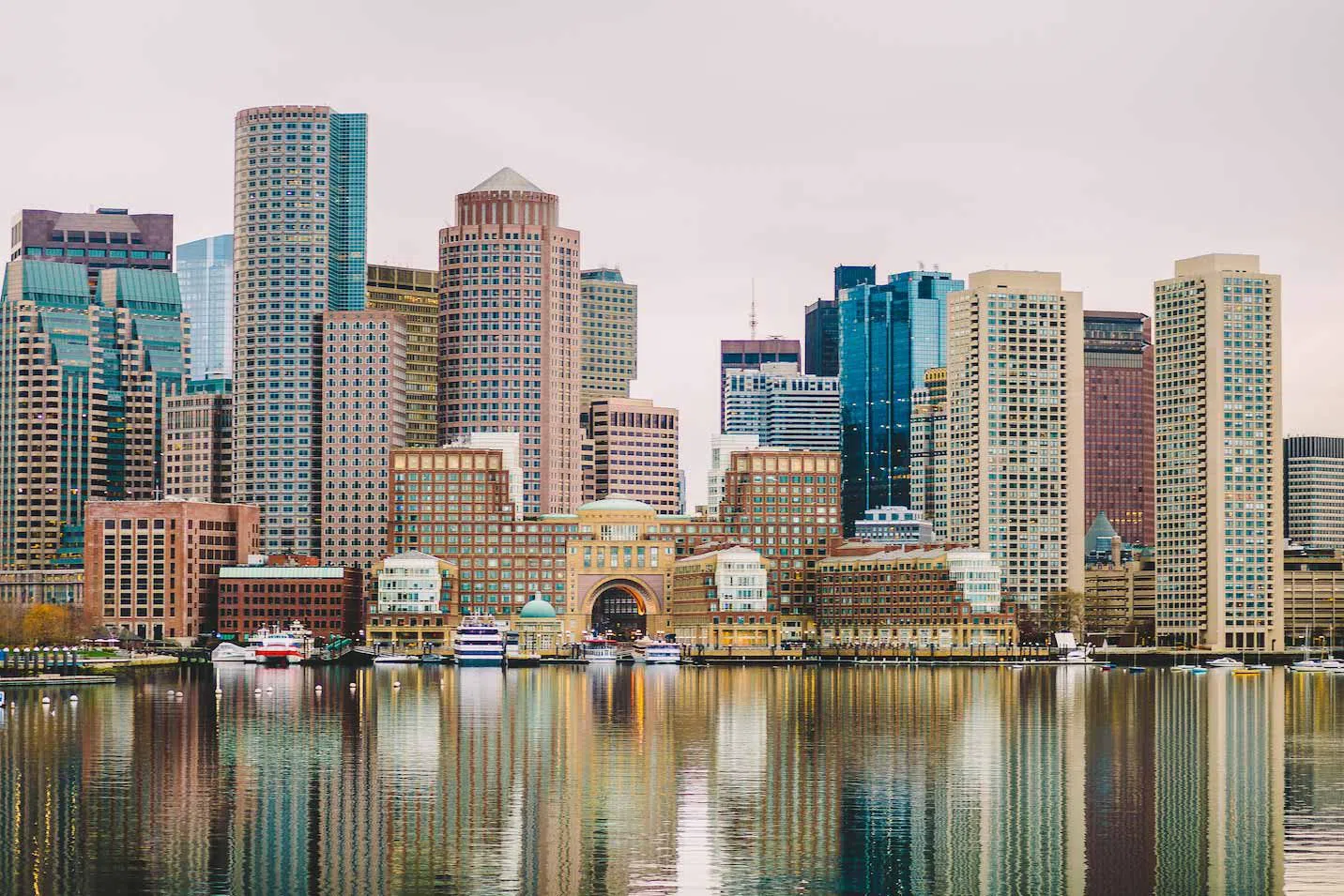

The best-value crossing is a different one. The MBTA ferry from Long Wharf reaches the USS Constitution and Charlestown Navy Yard (Charlestown) in about ten minutes for a standard fare, which makes a harbour boat ride part of your transit rather than an excursion. The world's oldest commissioned warship still afloat is crewed by serving sailors, open Tuesday to Sunday 10am to 6pm, free, first-come first-served, and you need photo identification to clear security, so bring passports for everyone in the party, including teenagers. The adjacent museum opens daily 10am to 5pm on a suggested donation.
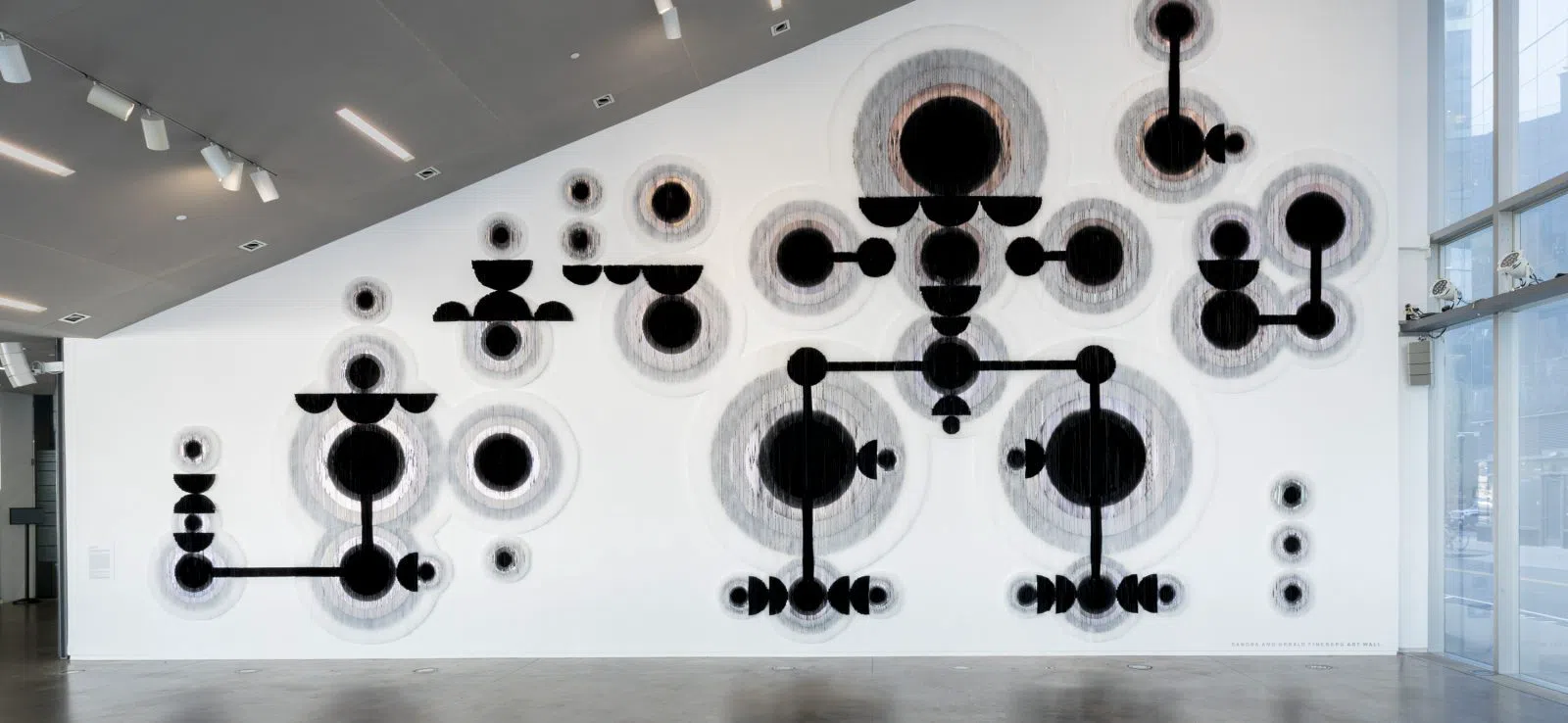
On the far side of the channel, the Institute of Contemporary Art Boston (Seaport) hangs a gallery floor out over the water, so the building holds its own against what is inside it. Adult entry is around $20, and it is free for everyone on Thursdays from 5pm to 9pm with a free ticket booked in advance, which goes quickly. The Silver Line gets you there from South Station, and the walk back along the waterfront is the point of the trip as much as the art.
Between the two, the Boston Public Market (Haymarket, at the edge of the North End) sits directly above its own T stop and gathers more than thirty New England producers under one roof, everything sourced regionally. It is open daily 8am to 8pm year-round, costs anywhere from a few dollars for a snack to a light lunch, and needs no booking, which makes it the practical answer to feeding six people with different opinions. Tours and field trips are offered if you want the structured version.

Over the river without owning anything
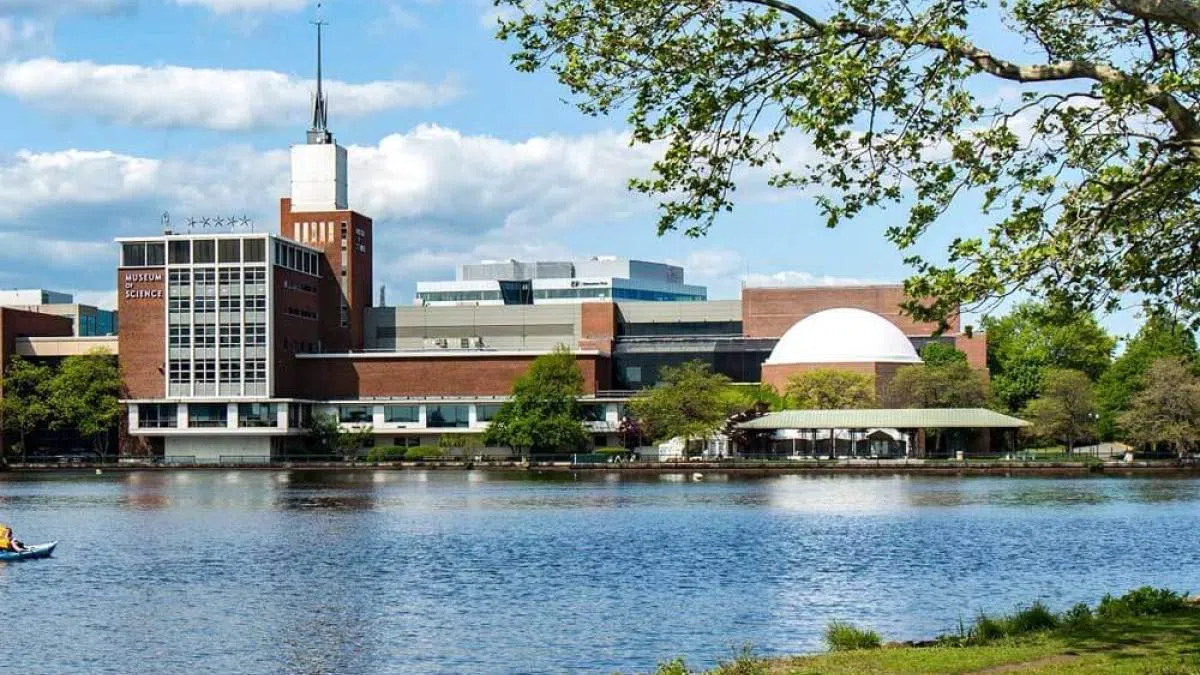
The Museum of Science (Science Park, on the dam between the two riverbanks) straddles the Charles and has its own Green Line stop. Over 700 hands-on exhibits, open daily 9am to 5pm, $33 for adults, $28 for children aged 3 to 11 and $29 for seniors, with the planetarium and Omni films adding $6. Timed tickets are not required (pick a date and go) and group bookings are available. The Bloomberg Public Science Common opens on 10 October 2026, so a late-year visit sees something the summer did not.
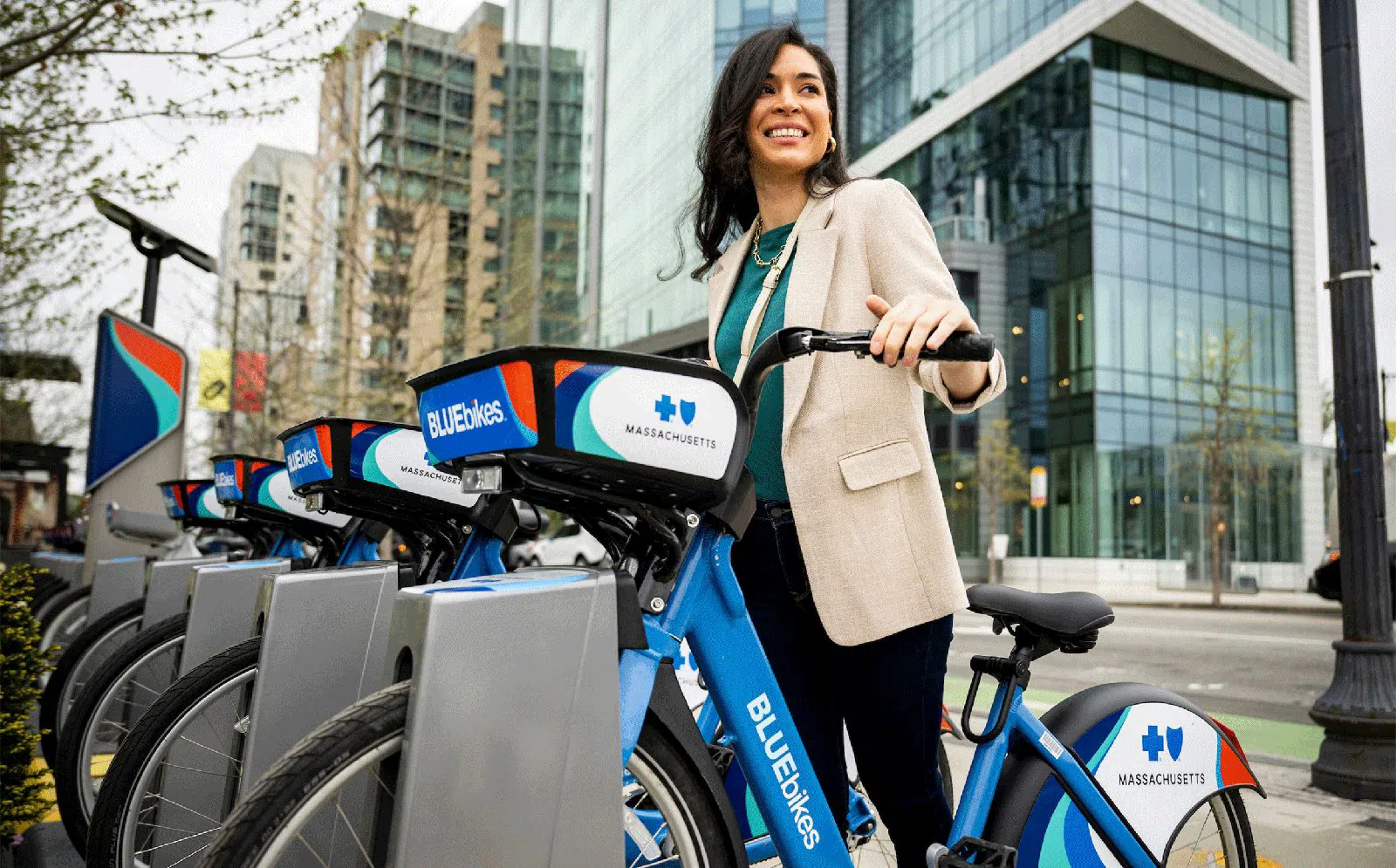
For the river itself, use Bluebikes (citywide), with nearly 600 docking stations and more than 5,000 bikes across thirteen municipalities. A single 30-minute trip is $3 and a day pass $11.99, self-serve with no booking, but each rider needs their own pass, so six of you means six passes and six phones at the dock. The flat Esplanade path along the water is the reason to bother, and it connects to the far bank easily.
That far bank is where the Red Line earns its place. The Harvard Art Museums (Harvard Square) stack three collections around a glass-roofed courtyard, free to enter, open Tuesday to Sunday 10am to 5pm and closed Mondays, with weekend pre-registration advised and group visits arranged ahead. Free entry and a fifteen-minute train ride together make this the least fussy half-day on the list.
Where to sleep so the plan holds
Where you wake up decides whether a car-free trip feels easy. Aim for a bed within a five-minute walk of a subway stop and the rest resolves itself: Back Bay puts you on the Green and Orange lines with the library and the Public Garden in walking distance; downtown near the Common puts you on the Freedom Trail and three lines at once; the Seaport is handsome and new but hangs off the Silver Line alone, which is a bus, and it is a longer, duller walk home than the map suggests. Compare rates and exact stop distances through Boston hotel search, and read the district-by-district detail in our Boston guide before you commit to an address.
Groups, couples and what the doors actually allow
Most of this city is unbothered by group size, but not uniformly. The transit network, the market, the ballpark tour and the harbour boats absorb a party of twelve without comment, and several have formal group rates. The Gardner, the library tours, the aquarium and the contemporary art museum all want advance notice for groups, and turning up unannounced with fifteen people will get you split across time slots at best. The Mapparium is timed-ticket only and physically small, so book it before you leave your room. The swan boats cannot be reserved by anyone, which is fair but means a summer Saturday queue that a group of ten will feel more keenly than a couple.
Couples get the better of the free evenings: Thursday nights at both the Gardner and the contemporary art museum are quiet, adult, and cost nothing beyond the booking. Families do better on weekday mornings at the science museum and the aquarium, before the school groups and after the commuter crush.
The practical end of it
Budget roughly $22.50 a person for a week of unlimited transit, then $0 to $35 a day for admissions depending on how much you lean on the free options; the library, the ship, the Harvard collections and two Thursday evenings can carry a whole day between them. Contactless payment works everywhere on the T and in every venue here, and you will not need cash beyond a tip or a market stall. Museums close Mondays and Tuesdays in a staggered pattern, so check the specific day before you build around one. The harbour islands and the swan boats are summer-only; the aquarium, the science museum and the library are the wet-weather spine of the trip in any month. And leave gaps: this is a small city to walk and a slow one to hurry, and the best hour of a first visit is usually the unplanned one between two things you booked.
Before you go
Do I really need a car for a first trip to Boston?
No. The four MBTA subway lines, buses and harbour ferries reach every place in this article, and the historic core is walkable end to end. A rental car mostly buys you downtown parking charges and a street plan that predates the automobile.
Which MBTA pass should I buy?
A seven-day pass at $22.50 pays for itself at about ten rides, which almost any week in Boston will reach. The $11 day pass only wins if you make five or more rides in a single day; otherwise pay per ride at $2.40 for the subway and $1.70 for the bus.
Where should I stay to be car-free?
Anywhere within a five-minute walk of a subway stop. Back Bay gives you the Green and Orange lines plus the Public Garden and Central Library on foot; downtown by the Common puts three lines and the Freedom Trail at the door. Only the Silver Line reaches the Seaport, and it runs as a bus.
What can we do in Boston without paying admission?
The Freedom Trail itself is free to follow, as are the Central Library and its volunteer-led tours, the USS Constitution, and the Harvard Art Museums. The Isabella Stewart Gardner Museum and the Institute of Contemporary Art are both free on Thursday evenings; for the latter you book a free ticket in advance.
Does a car-free trip work with children?
It works well. Under-11s ride the MBTA free, the aquarium sits on top of a Blue Line stop, the science museum has a Green Line stop of its own, and the ten-minute MBTA ferry to the Charlestown Navy Yard costs a standard fare. Bring photo ID for everyone if you plan to board the ship.