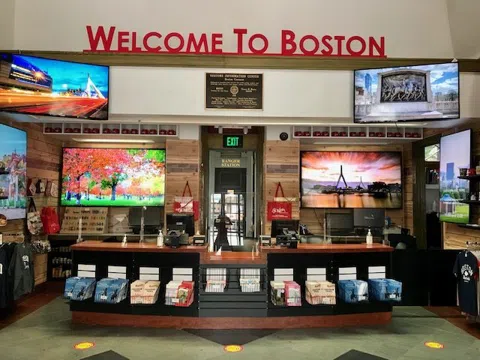
The Boston issue
Boston's Long Run: How Marathon Monday Shapes a City
Every spring, the Boston Marathon pulls training runs, watch parties and finish-line rituals into one long civic arc — here's how to see it, from Hopkinton to Boylston Street, in 2026.
By Harriet FenwickReading Boston neighbourhood by neighbourhood
Every March, as the last grey snowbanks along the Charles River give way to slush, a low hum starts along Beacon Street and out through the western suburbs: it is the sound of thousands of people resuming, or beginning, the training miles that will carry them — or someone they know — to Boylston Street on Patriots' Day. Marathon Monday is a single day, but its gravity bends the whole spring. The running shops restock, the churches prepare their blessings, and by January the hotels closest to the finish line are already booked for a race still fifteen months away. First run in 1897, the Boston Marathon reaches its 130th edition on April 20, 2026, and the city organizes itself around that date with a seriousness that has nothing to do with sport for its own sake.
Hopkinton to Wellesley: where the ritual begins
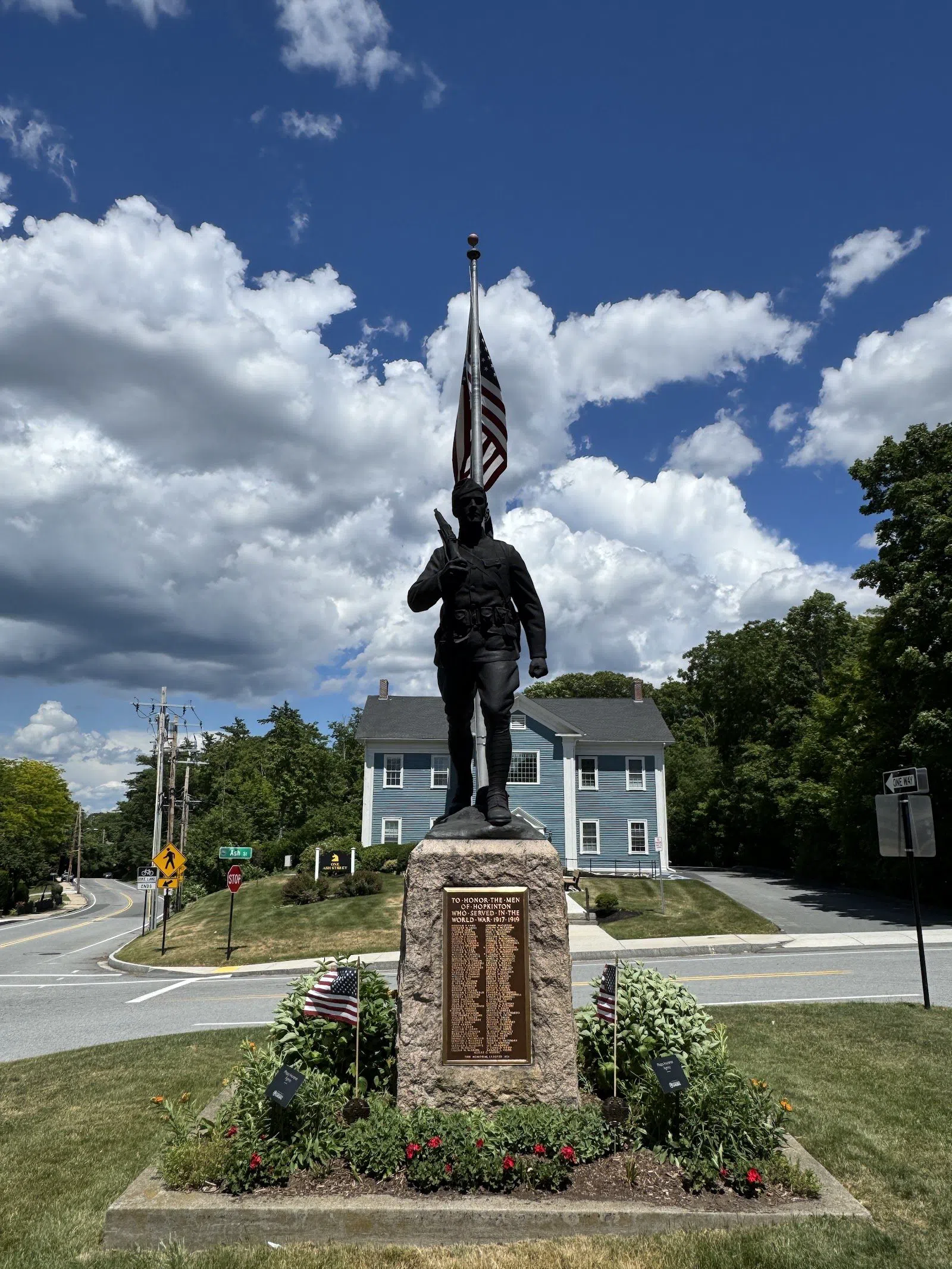
The race starts 26.2 miles from Boston, in a town most of the city's residents will never otherwise visit. The Boston Marathon Starting Line, on Hopkinton's town common, is unglamorous by design — a stripe of paint on ordinary suburban street, no ticket or booking required, and every wave of the field from elite athletes to charity runners crosses it in turn on race morning. Coach parties and spectator crowds descend on the green from dawn; there is no gate to it, which is part of the point. This is where a private training plan becomes a public event, and it is worth the trip out on the commuter rail at least once, if only to understand the scale of what the city is about to absorb.
Six miles later, at the midpoint of the course through Wellesley, the race turns audible before it turns visible. The Wellesley College Scream Tunnel, on the public roadside outside the college, is the loudest, most photographed stretch of neighbourhood cheering on the entire route — students self-organize each year with signs and noise that runners report hearing before they see. There is no group booking to arrange and nothing to pay; you simply arrive and stand with everyone else. It is not a spectacle built for outsiders, and that is exactly its value: this is what an undergraduate population does with a Monday off, generation after generation, and it tells you more about the marathon's local meaning than any grandstand could.
Plan your Boston trip
Live prices from our booking partners.
Free cancellation on many rooms. We may earn a commission when you book.
Heartbreak Hill and the training city
The course's psychological centre sits roughly twenty miles in, on the Newton stretch runners have long since nicknamed Heartbreak Hill. The name dates to the 1936 race, when Johnny Kelley caught and then lost to Ellison "Tarzan" Brown on this rise — the duel that gave the hill its reputation as the point where marathons are won or, more often, quietly fall apart. Viewing here is free and unticketed, a public street with no formal infrastructure, but it is where local running clubs traditionally gather to watch, because everyone in Boston's running culture understands what happens to a body at mile twenty.
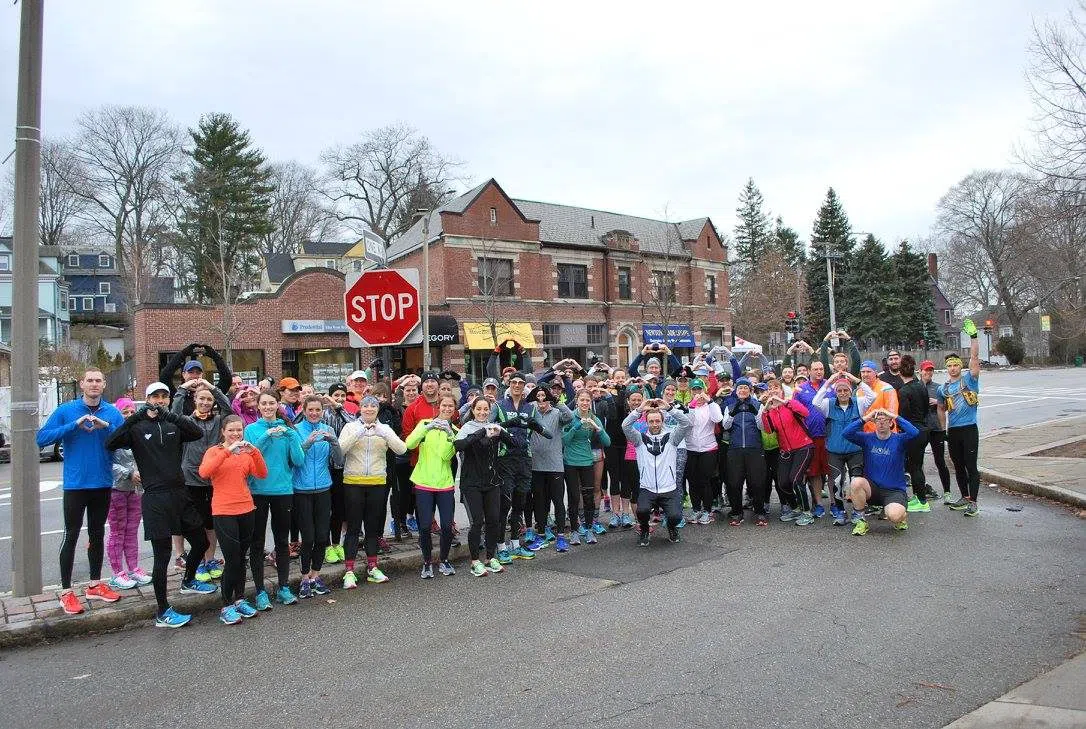
That culture has a retail and training backbone, and it happens to sit almost exactly where the hill does. Heartbreak Hill Running Company, in Newton at the top of the climb, is the neighbourhood's only locally owned running shop, and its placement is not an accident — it was built as a training hub as much as a store, with scheduled group runs and a running club that meets year-round, free to join, retail priced as you'd expect from a specialist shop. It is the clearest example in the city of how the marathon has shaped ordinary commercial life: a shop that exists, quite deliberately, at the exact mile where the race breaks people.
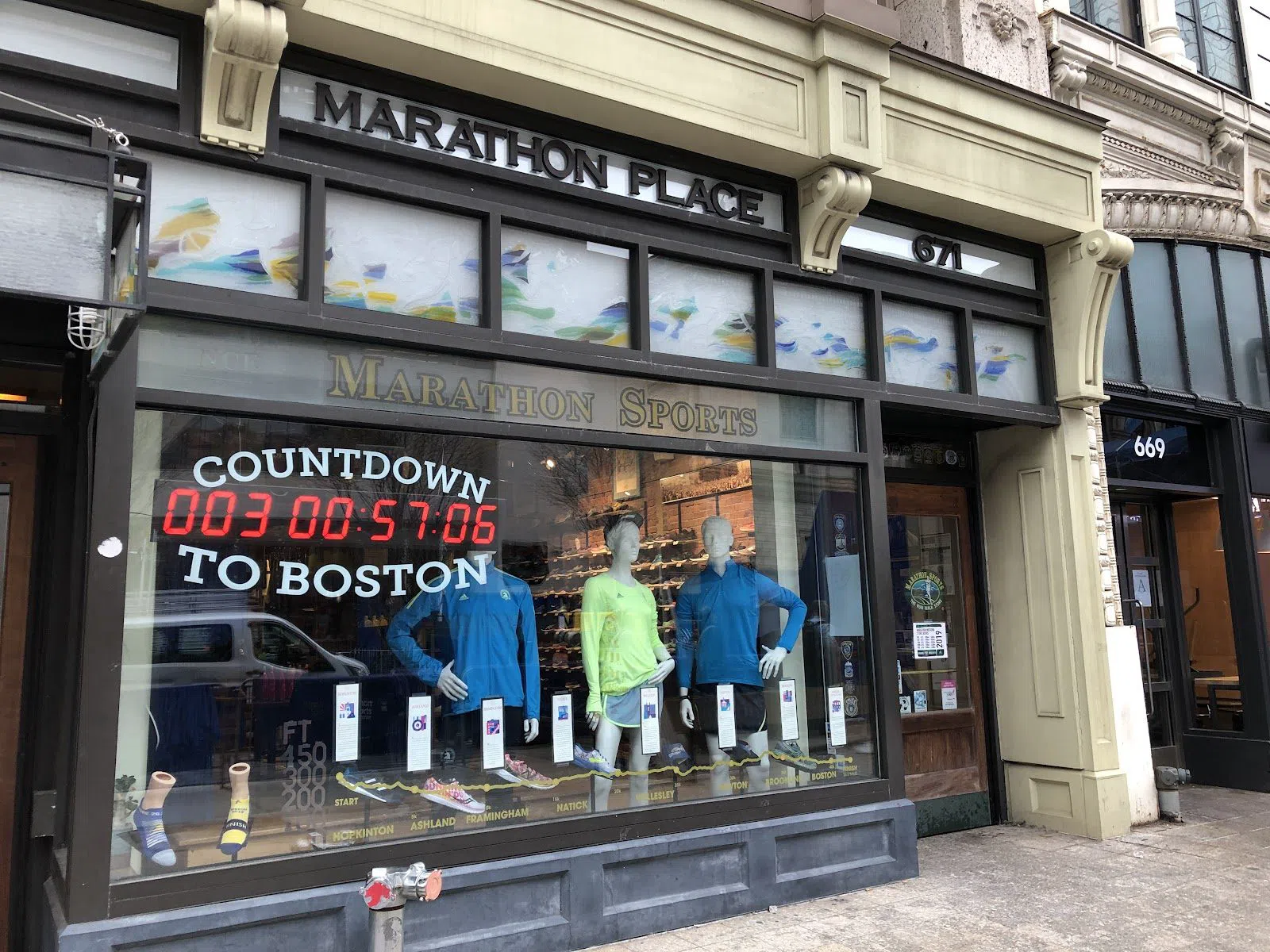
Closer to the finish, on Boylston Street, Marathon Sports occupies a different kind of symbolic ground. Opened in 2001, it became inseparable from marathon weekend almost immediately — walk-ins are welcome without booking, and shoe-fitting groups are routine business in the days before the race. The shop's history is heavier than its retail function suggests: it stood steps from the 2013 bombing and reopened afterward as a visible, deliberate statement that the street would not be ceded. Runners and residents alike still treat a stop here on marathon weekend as something closer to a pilgrimage than a purchase.
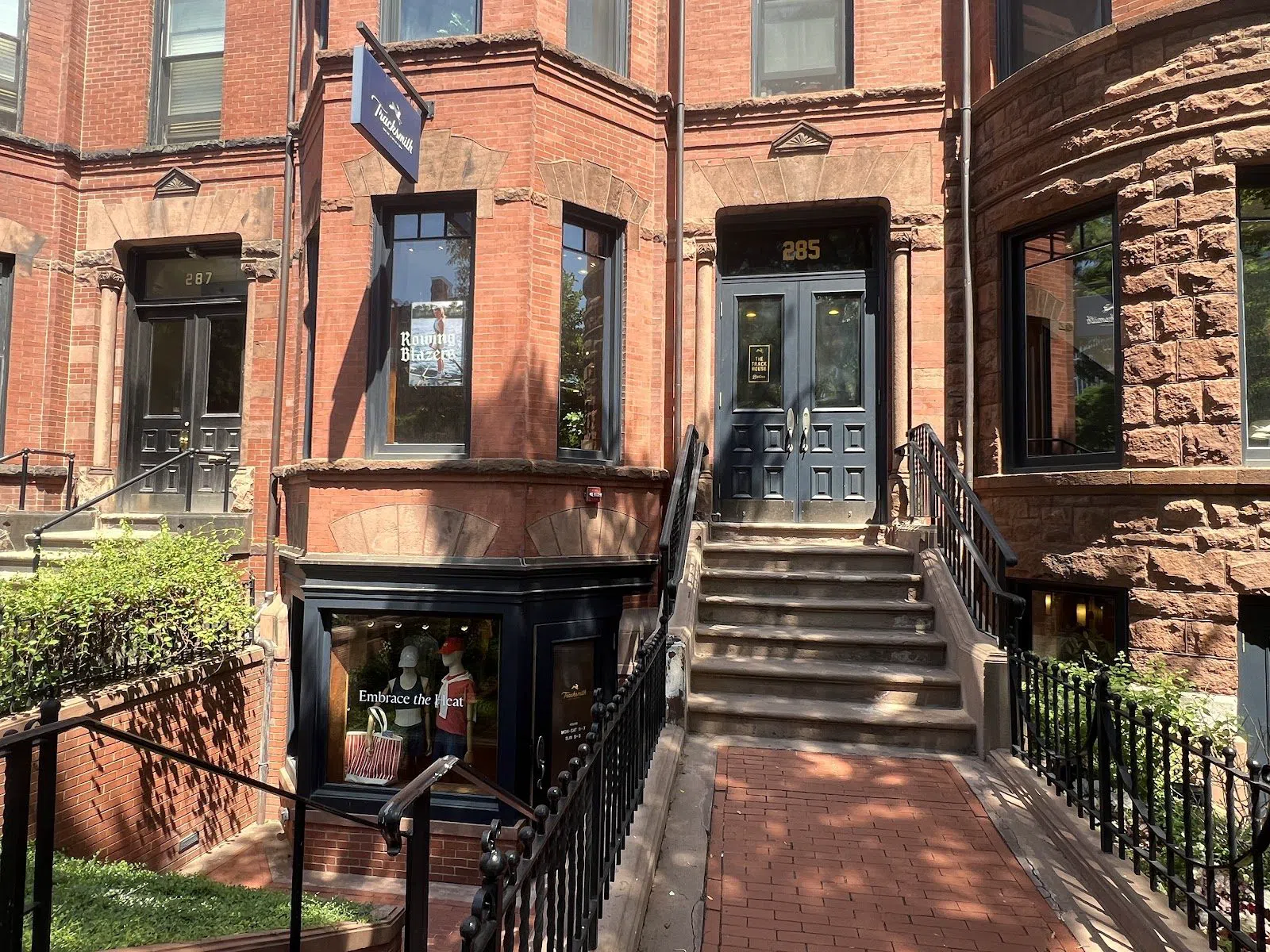
A few blocks over on Newbury Street, in the Back Bay, Tracksmith Trackhouse carries a related but distinct role. It was built explicitly as the modern heir to the city's legendary runners' bars — the kind of place where a training culture gathers off the clock — and it earns that claim with a genuinely open-door Sunday community long run that runs year-round, not just marathon season, alongside other training-group programming. Retail here sits at standard specialty-running prices, but the runs themselves cost nothing and require no membership. If Heartbreak Hill Running Company shows how the marathon shapes a suburb, Trackhouse shows how it shapes the city's social calendar.
Boylston Street: the finish line and its rituals
Everything above is prelude. The Boston Marathon Finish Line, on Copley Square, is where the entire spring's momentum resolves — a public square built by long tradition to handle enormous, layered crowds without a ticket or a gate. There's no booking to make; you find your spot on the barriers and you wait, sometimes for hours, for a stranger or a friend to cross a painted line. It is worth remembering, standing there, that this same stretch of pavement carries the weight of 2013 as well as the noise of every ordinary finish since. Both are true of the street at once, and neither cancels the other out.
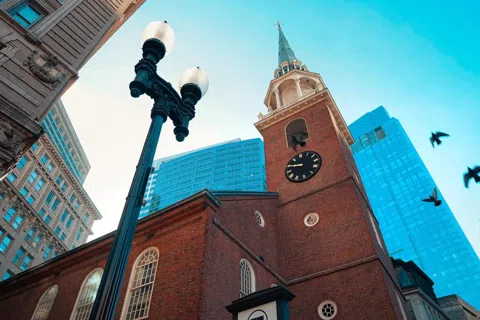
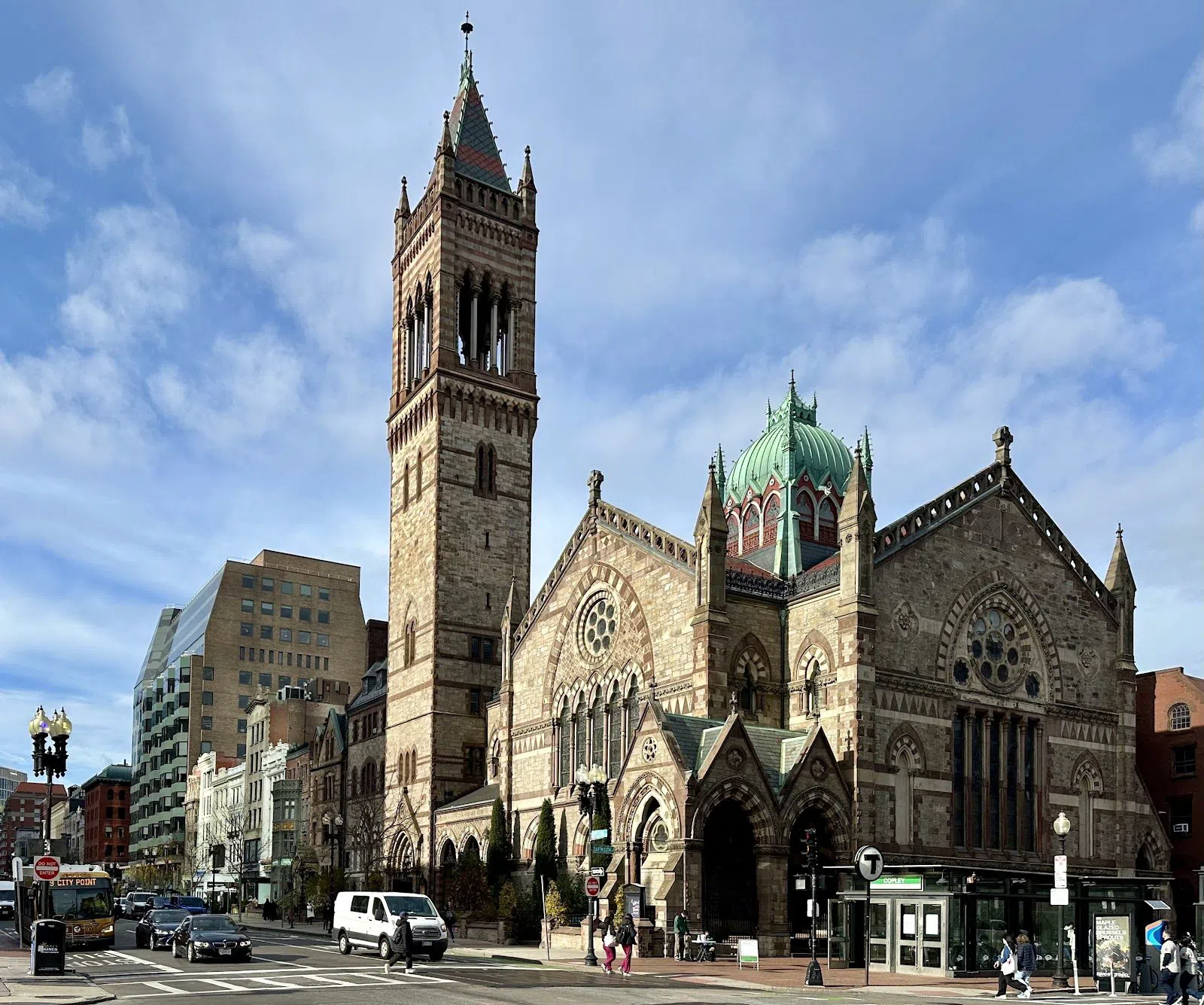
A block away, Old South Church offers the marathon's quieter counterpart to Boylston Street's roar. Self-styled the "Church of the Finish Line," it holds the Blessing of the Athletes every Marathon Sunday, open to runners and families without restriction. Where the finish line is public spectacle, the church is public ritual of a gentler register — worth building into a marathon-weekend itinerary if the crowds of race day itself feel like too much.
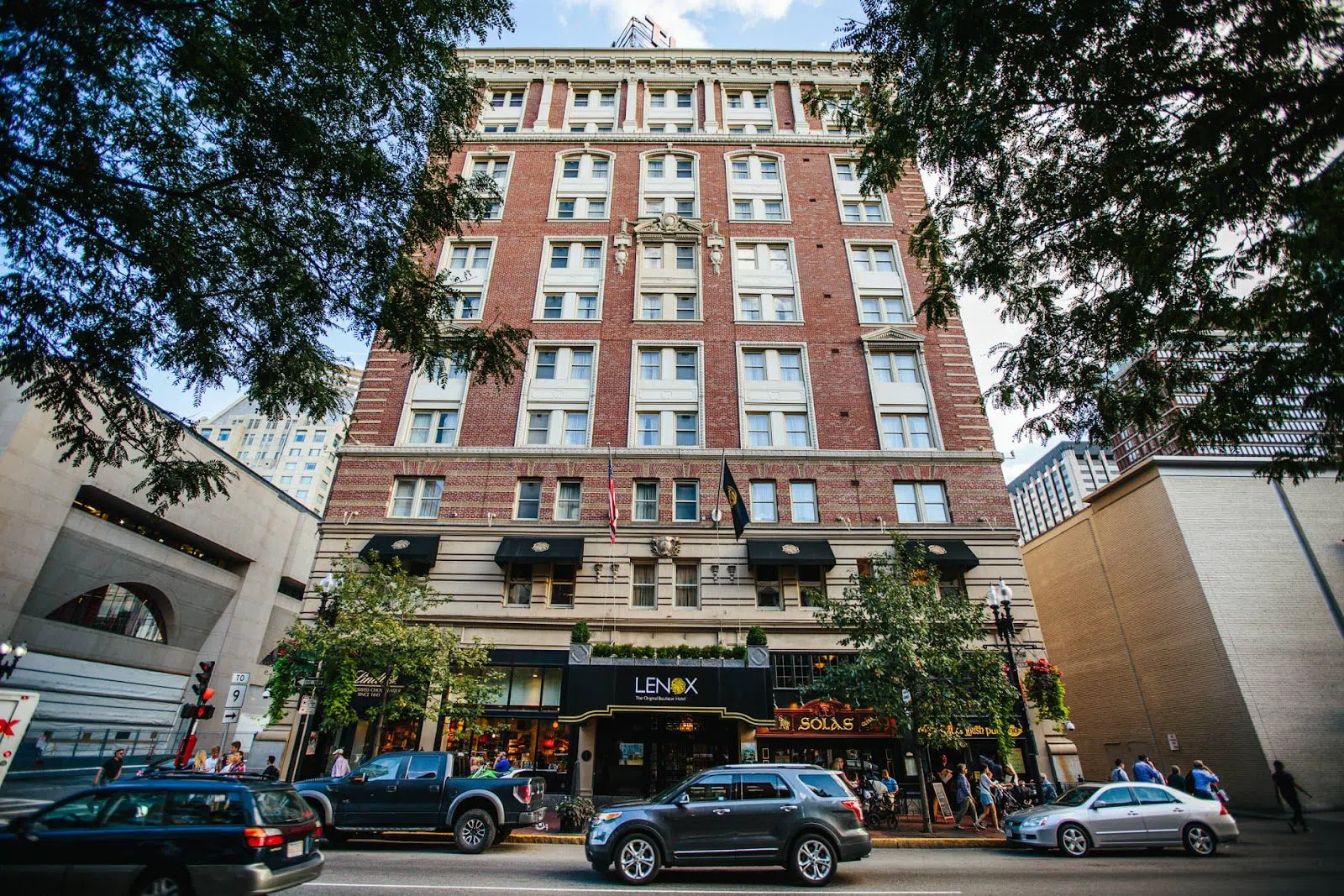
For anyone planning to watch from something more than a barrier, The Lenox Hotel, in the Back Bay, sits closer to the actual finish than almost anywhere else that takes guests, with a private viewing strip reserved for people staying there. Rooms for marathon week book out up to a year in advance and run $$$-$$$$, which tells you plainly how far ahead the race-day economy plans; if a Boylston Street window matters to your trip, start your Boston hotel search the previous spring, not the previous month.
Race-day tables: where Boston watches
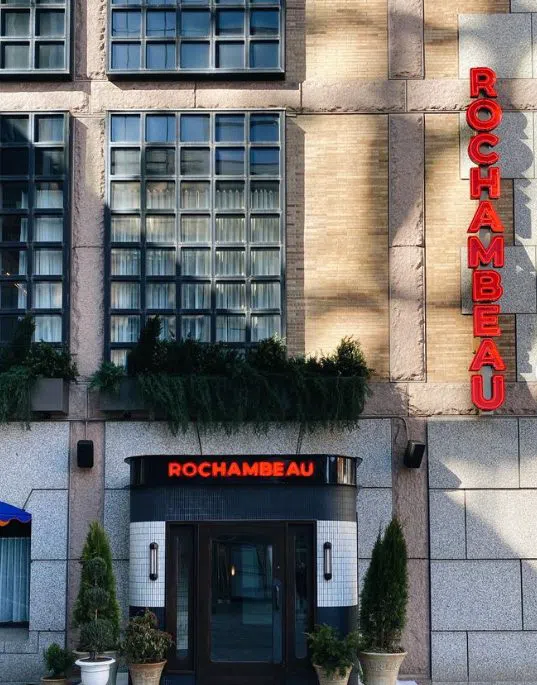
Marathon Monday reorganizes the city's dining rooms as thoroughly as it reorganizes its streets. Rochambeau, on the finish-line block, runs one of the best-documented watch parties still operating in the city — a brasserie brunch with a genuine grandstand view of the course, priced at $$$, and reservations are recommended well ahead if you're arriving as a group rather than a couple with flexible timing.
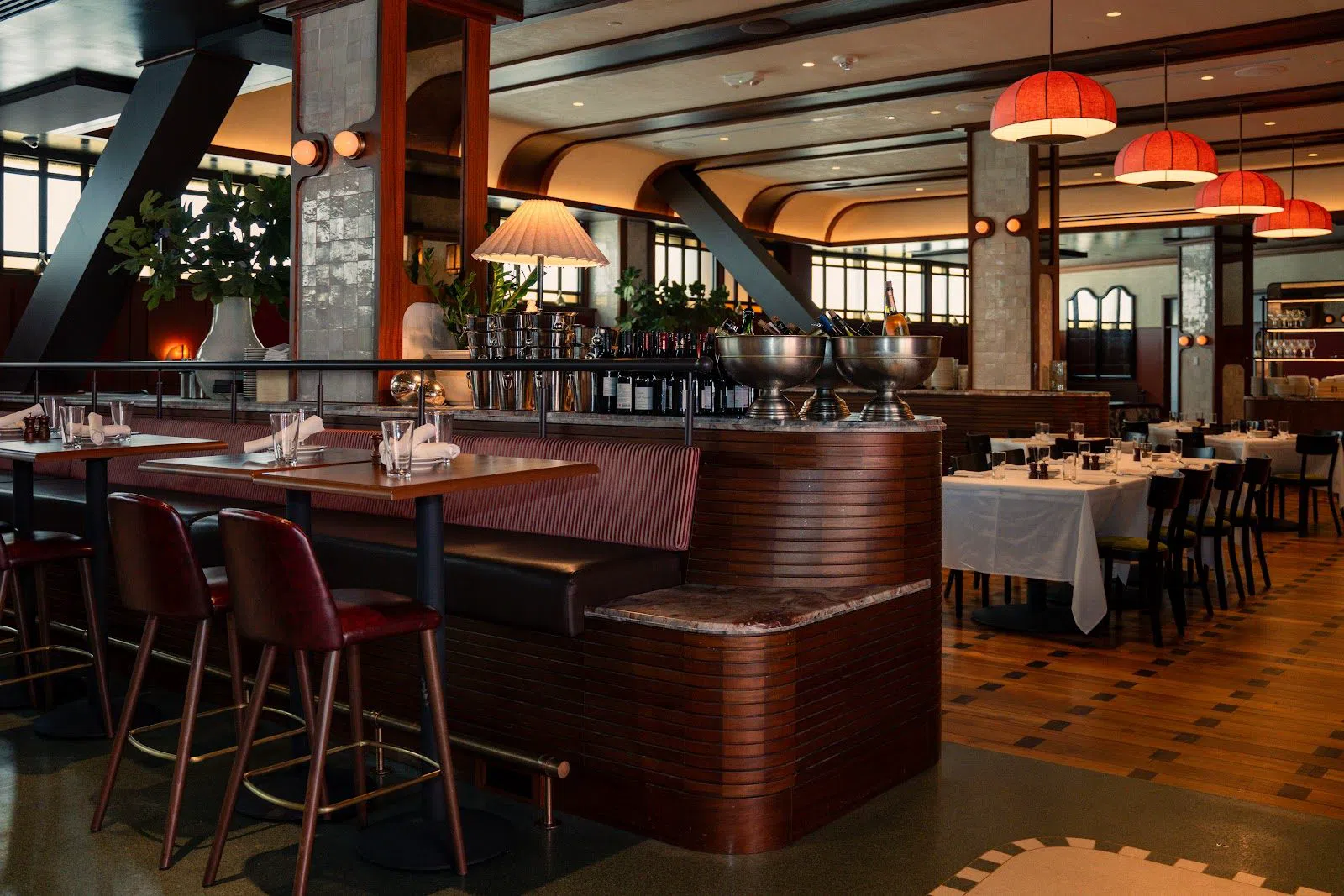
Near mile 25 in Kenmore Square, Eastern Standard Kitchen & Drinks reopened around the corner from its original spot in 2023 and remains the area's marathon-day institution, with a large brasserie floor built to take groups comfortably; it suits a table of eight as easily as it suits two, though on race day itself the room fills fast and a booking is the safer choice.
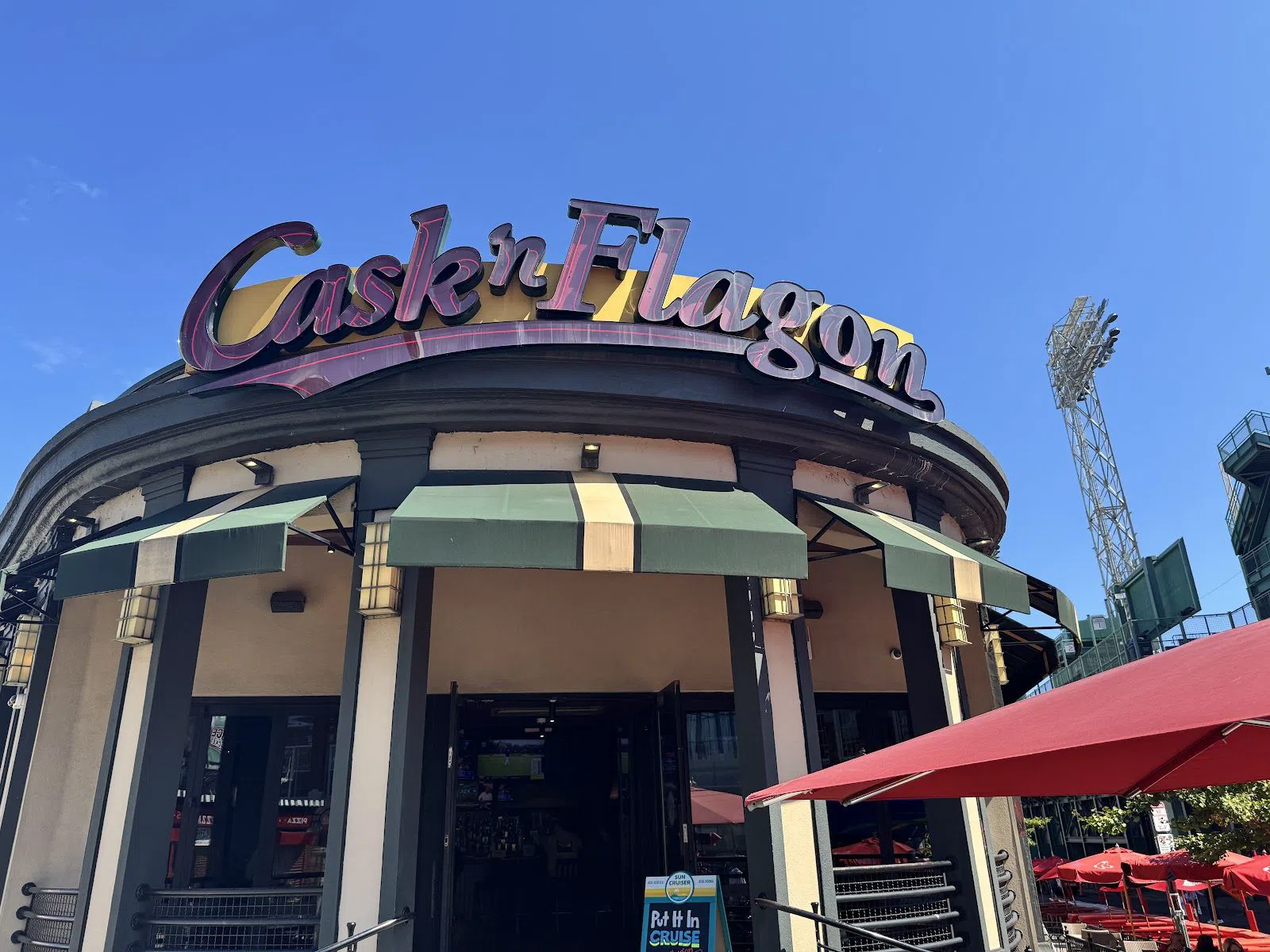
For something rowdier, Cask 'n Flagon, in the Fenway, has occupied its corner since the 1960s or 70s and sits exactly where marathon crowds and Red Sox home-game crowds collide every Patriots' Day — a genuine race-day-economy phenomenon in one address. It's a classic big-group sports-bar layout, priced $$, and no formal booking is needed; walk in and expect to stand. This is not the place for a quiet finish-line brunch, and it doesn't pretend to be.
The expo and the last mile
The commercial machinery behind the spectacle is most visible at the Boston Marathon Expo, held at the Hynes Convention Center in the Back Bay. It is free and open to the public, built to handle crowds well over 100,000, and functions as mandatory bib pickup for the roughly 30,000 runners entered each year. Even non-runners find it worth a visit: it is the clearest single window into how much local commerce — shoe brands, physiotherapy stalls, regional tourism boards — now hangs off this one weekend.
The day closes, fittingly, with a party rather than a ceremony. The Mile 27 Post-Race Party, at City Hall Plaza, is ticketed at $10 (free for children under 12) but open to all ages and built for genuinely large, family-friendly crowds. It functions as the marathon's official last chapter — the counterweight to that stripe of paint on Hopkinton's town common at the very start of the day, and a reasonable place to end your own marathon weekend if you've followed the race from the beginning.
Planning your marathon week
Transport. The course closes major roads through eight towns and the city itself for most of race day, and the MBTA runs a modified schedule with some stations affected near the route — do not plan to drive to or from Hopkinton, Wellesley, Newton, or Boylston Street on marathon Monday. The Green Line and commuter rail are the practical way to reach viewing points; build in extra time regardless.
Cash. Most venues here — the expo, the restaurants, the running shops — take cards without issue, but Patriots' Day is a Massachusetts state holiday and banks are closed, so carry a reasonable amount of cash for the Mile 27 party's ticket booth and for smaller street vendors along the course who may not run card readers in the crowds.
Timing. The race starts in Hopkinton mid-morning in staggered waves and the leaders typically finish on Boylston Street in the early afternoon; if you want a barrier spot at the finish, arrive hours ahead, and if you want the Wellesley Scream Tunnel or Heartbreak Hill, aim to be in place around midday. The whole week around the race, not just the Monday, is worth building a trip around — see the wider Boston guide for lodging and transport beyond marathon weekend specifically.
Budget. The race itself costs nothing to watch anywhere along its 26.2 miles. Expect to pay only for the Mile 27 party ($10), any restaurant reservation you make ($$-$$$), and — by far the largest line item — a hotel room within walking distance of Boylston Street, which is why serious spectators book that room the year before, not the week before.
Before you go
When is the Boston Marathon in 2026?
The race runs on Patriots' Day, Monday, April 20, 2026 — the third Monday of April, as it is every year in Massachusetts.
Where can I watch the Boston Marathon for free?
The entire 26.2-mile course is free to watch from public streets. The Wellesley College Scream Tunnel, Heartbreak Hill in Newton, and the finish line at Copley Square are the three most established, best-attended free viewing points.
Do I need to book a restaurant for Marathon Monday?
For finish-line-block spots like Rochambeau or Eastern Standard Kitchen & Drinks, yes — reserve ahead, especially for groups. Cask 'n Flagon near Fenway operates on a walk-in basis and doesn't take bookings.
Is the Boston Marathon Expo open to non-runners?
Yes. The expo at the Hynes Convention Center is free and open to the public, not just entered runners, though its primary function is mandatory bib pickup for the field.
How far in advance should I book a hotel near the finish line?
Hotels genuinely close to Boylston Street, such as The Lenox Hotel, routinely sell out marathon-week rooms up to a year in advance — treat this as a booking to make the previous spring, not the month before.